


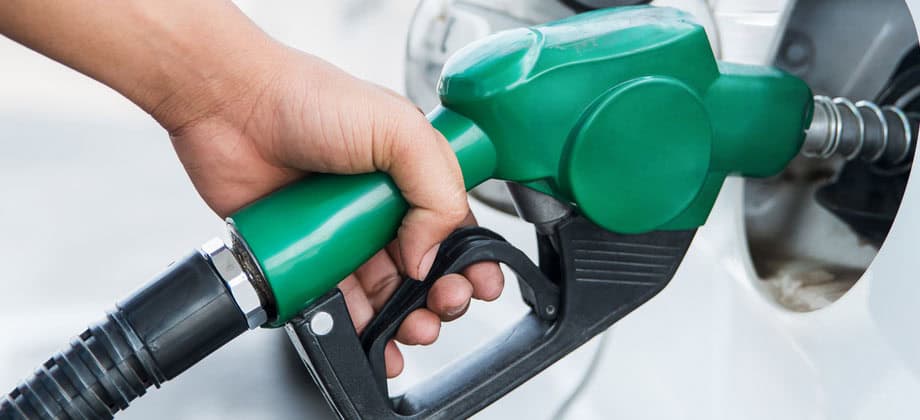
Everyday costs are changing, and your budget may need to change with them. Thoughtful adjustments and consistent saving can help you stay on solid financial footing.
As prices of everyday essentials continue to shift, many households are feeling added pressure. From groceries and utilities to transportation, even small increases to these costs can disrupt a budget that once felt manageable. That makes now the right time to revisit your spending. You don’t need to overhaul everything, but make sure your money still aligns with today’s reality.
Revisiting your budget allows you to respond to change with intention, not stress. It’s a chance to strengthen what’s working, adjust what’s not, and make sure your savings strategy supports your current needs.
As you review your finances, consider:
- Which expenses have increased recently?
- Where do you need greater flexibility month to month?
A thoughtful approach now can help you feel more prepared for whatever comes next.
Identify Expenses That Have Increased or Fluctuate Month to Month
When costs are changing, clarity matters. Start by reviewing expenses that tend to rise or fluctuate, such as:
- Grocery and household essentials
- Utility bills and energy costs
- Transportation or commuting expenses
- Insurance, medical, or school‑related costs
Listing out these expenses can help you better understand cash flow, anticipate higher‑cost months, and help you manage your savings to avoid relying on credit for expenses that catch you off guard.
Adjust Your Budget to Reflect Current Prices and Priorities
If prices have changed, your budget should too. Small, practical adjustments can ease pressure without requiring major sacrifices:
- Look for manageable ways to reduce strain, like consolidating services or cutting unused subscriptions
- Reset savings goals so they remain realistic and sustainable
- Revisit debt payments and see how they still fit comfortably within your updated budget, and consider whether a personal line of credit could simplify payments
Even modest changes can improve balance and help your budget better support your day‑to‑day needs.
Use a High‑Yield Savings Account to Build an Emergency Cushion
As costs rise, having accessible savings can provide peace of mind. A high‑yield savings account helps you build that cushion while earning more on your money.
A high yield savings account allows for:
- Higher earning potential than a traditional savings account
- Quick access to funds when unexpected expenses arise
- A secure place for emergency savings
Whether you’re preparing for higher bills or working toward building an emergency fund, a high‑yield savings account helps your money keep pace without taking on added risk.
Automate Savings to Maintain Consistency Despite Rising Costs
When expenses are rising, saving money can feel harder but automation can help. Setting up automatic transfers, no matter how small, keeps money flowing into your savings without adding extra stress.
- Align transfers with your pay schedule
- Start small and increase when possible
- Let savings grow quietly in the background
Automation removes guesswork and helps savings stay part of your routine.
Revisiting your budget isn’t about restriction, it’s about resilience. As costs continue to change, updating your budget and strengthening your savings strategy can help you stay flexible and prepared.