


From building emergency savings to organizing important documents, a little preparation today can help you navigate unexpected challenges tomorrow.
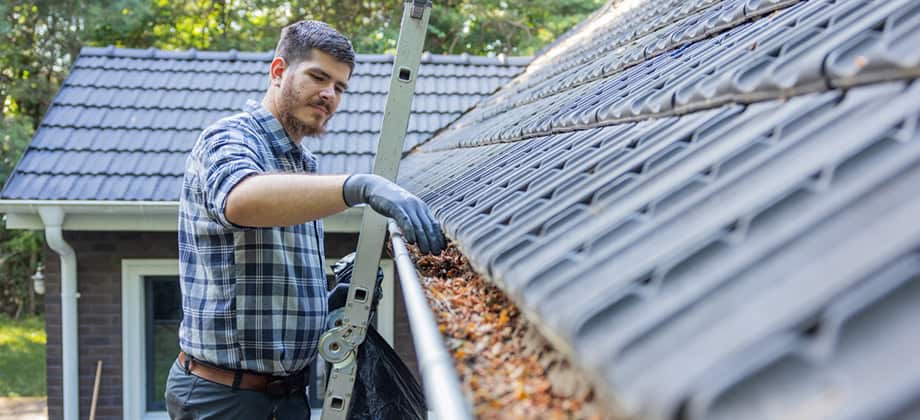
California officials are urging residents to prepare for what could be an exceptionally strong El Niño for the 2026 winter season. Governor Gavin Newsom proclaimed a state of emergency to help communities strengthen readiness ahead of potential heavy rain, flooding, landslides, power outages, and other impacts associated with severe weather.
Taking steps to protect your home and assemble emergency supplies is an important first step, but so is financial preparation.
Heavy storms can damage property and create emergency expenses. Taking a few simple steps now can help you feel more prepared if conditions change this winter.
Build Emergency Savings Before You Need It
One of the best ways to prepare for the unexpected is to build a financial cushion before an emergency occurs.
Whether it’s paying for temporary accommodation, replacing damaged belongings, covering vehicle repairs or managing other unexpected costs, emergency savings can provide flexibility when you need it most.
If you’re starting to build an emergency fund, consider keeping those savings separate from your everyday spending account so it’s easier to reserve those funds for unexpected needs. And don’t feel pressured to reach a specific savings goal overnight. Small, consistent contributions will add up.
Organize Important Financial Documents
Severe weather can create disruptions to everyday life. Take time now to gather important documents and store them in a secure location where they can be easily accessed. This may include:
- Insurance policies
- Identification documents
- Mortgage or lease paperwork
- Banking information
- Vehicle records
- Emergency contacts
Whenever possible, keep both physical and digital copies of key documents. Having quick access to important information can save valuable time during stressful situations.
Make Sure You Can Access Your Accounts Digitally
Confirm that you can access your financial accounts online and that your contact information is up to date. Having digital access to your accounts can make it easier to manage essential transactions and monitor your finances when conditions allow.
Take a few minutes to:
- Verify online and mobile banking access
- Update passwords and security settings
- Enable account alerts and notifications
- Confirm phone numbers and email addresses are current
- Save important customer service contact information
If you haven’t logged in recently, now is a good time to familiarize yourself with tools available to help you manage your finances from virtually anywhere.
Review Your Insurance Coverage
Many people don’t think about their insurance until they need it.
Before winter begins, take a few minutes to review your homeowners, renters, auto and other insurance policies. Understanding your coverage, deductibles and policy limits ahead of time can help you avoid surprises later.
While every policy is different, having a clear understanding of what’s covered can provide added peace of mind.
Be On Alert for Storm Related Scams
As forecasts of severe weather and potential El Niño impacts start to make headlines, scammers may look for opportunities to take advantage of consumers trying to prepare.
Be cautious of unsolicited offers for flood protection services, home repairs, tree trimming, drainage work, emergency supplies, or other preparedness products. Bad actors will use fear and urgency to pressure homeowners into making quick decisions or paying upfront for services that may never be delivered.
It’s also important to watch for phishing emails, text messages, social media posts, or phone calls claiming to offer emergency assistance, government programs, weather alerts, or insurance services. Scammers will use major news events to make their communications appear legitimate.
Before hiring a contractor, making a purchase, or sharing personal information, take time to verify the company or organization through trusted sources and avoid anyone pressuring you to act immediately.
A little extra caution can help protect both your finances and your personal information.
Take a Fresh Look at Your Budget
Preparing financially for a potential emergency is about understanding where your money goes each month.
Review your expenses and identify areas where you may have flexibility. Understand your fixed expenses, recurring bills and discretionary spending so you can help adapt more easily if needed. A simple budget review will help identify opportunities to strengthen savings before storm season and create greater flexibility for the months ahead.
Frequently Asked Questions About El Niño and Financial Preparedness
Why are California officials preparing for El Niño now?
According to the State of California, forecasters expect this year’s El Niño event to strengthen through fall and winter, with the potential to become one of the strongest on record. State leaders are encouraging communities to prepare before severe weather arrives.
How can I prepare financially before a major weather event?
Consider building emergency savings, reviewing insurance coverage, organizing important documents, and updating account information so you can access your finances digitally when possible.
How much should I save for an emergency fund?
Every household’s needs are different. The most important step is getting started and putting aside an amount that makes sense for your budget. Consistently setting aside money over time can help create a financial cushion for unexpected expenses.
What documents should I keep accessible during an emergency?
Important documents may include identification, insurance policies, banking information, mortgage or lease agreements, vehicle records, medical information and emergency contact information.